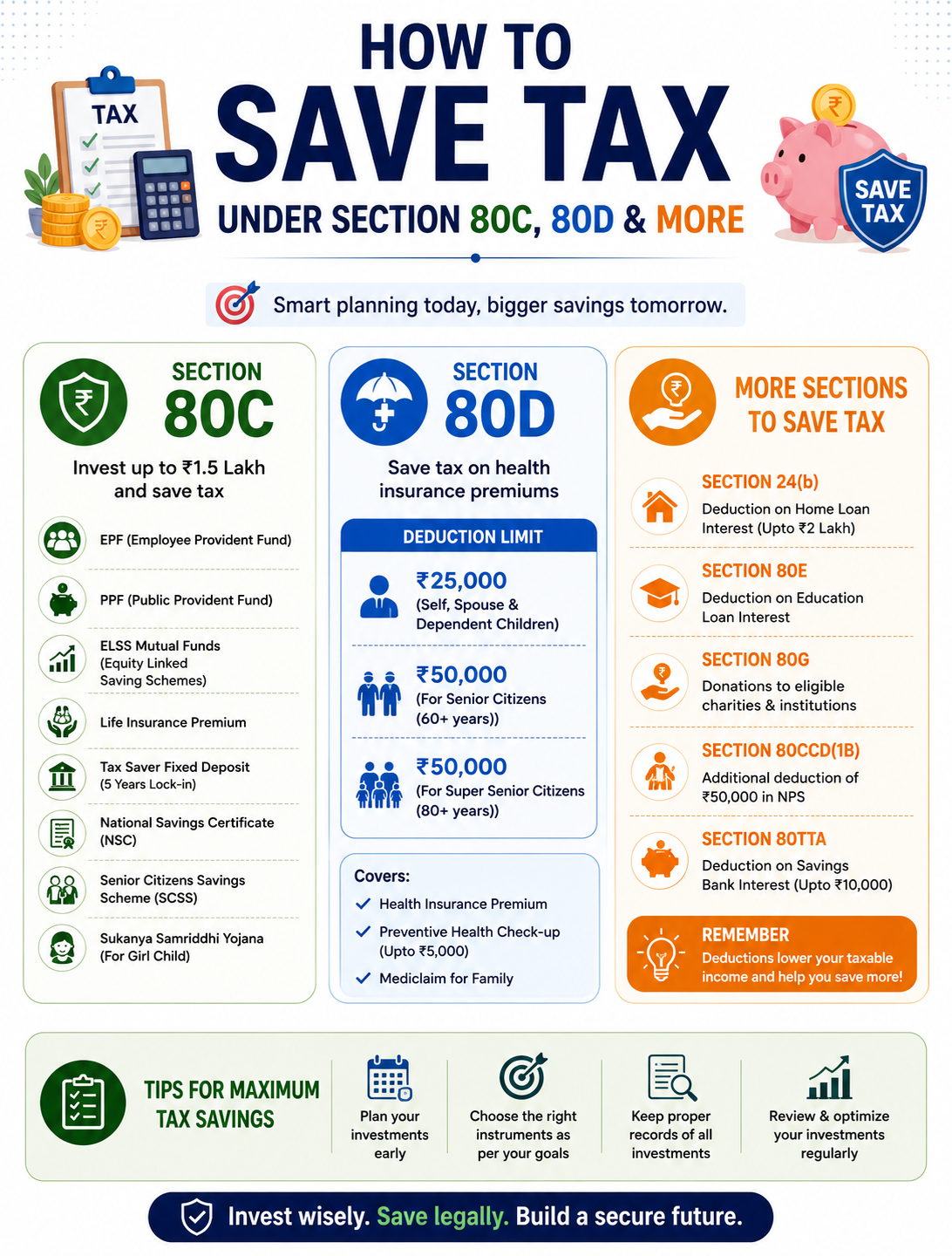
How to Save Tax Under Section 80C, 80D & More

  • 2026-07-27
  • suneel
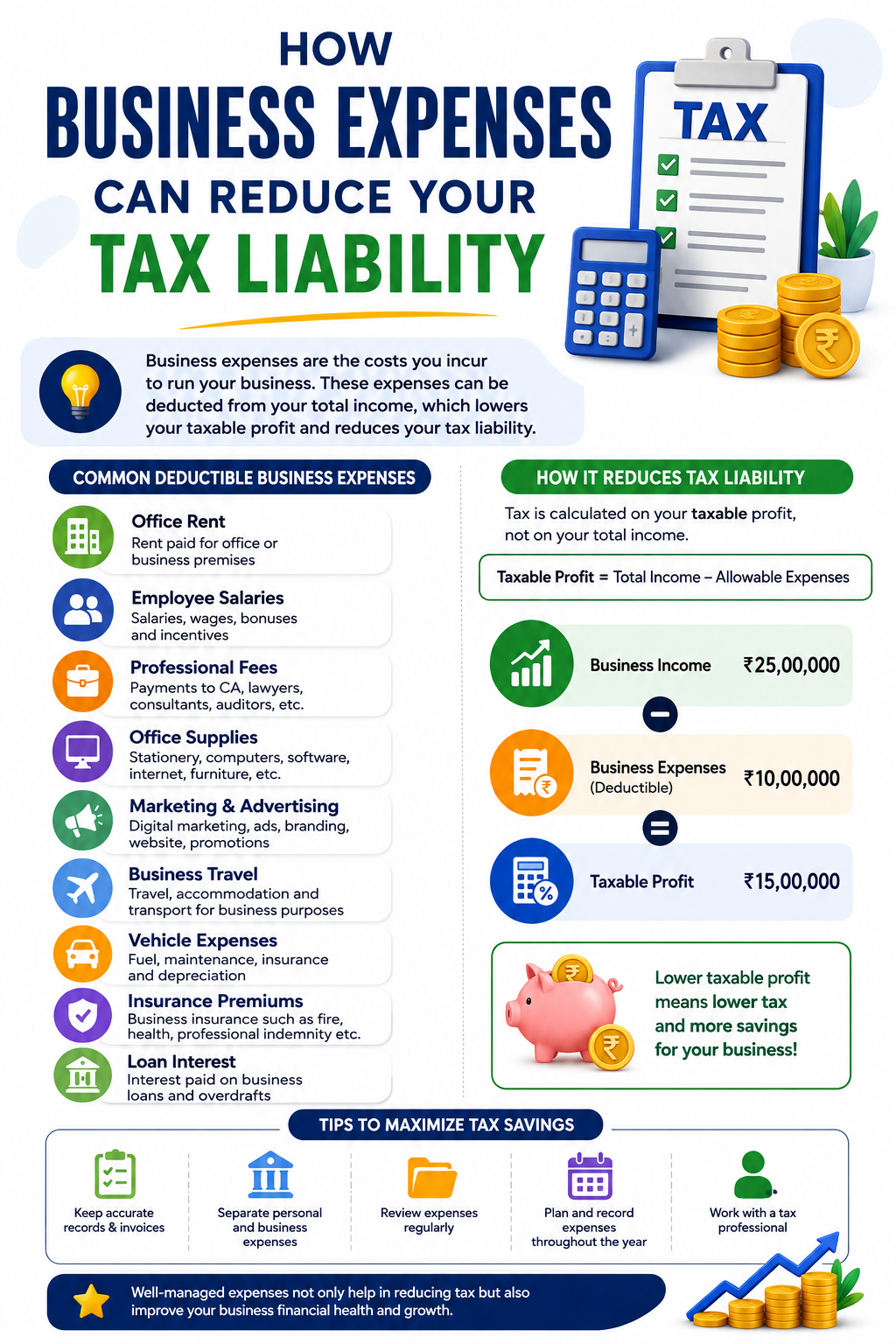
Paying tax is unavoidable, but paying more tax than you need to is a mistake many people make simply because they don't know about the deductions available to them. Here's a simple breakdown of the most useful ones. Section 80C — Save Up to ₹1,50,000 This is the most common deduction people use. You can claim up to ₹1,50,000 by investing or spending in things like: PPF (Public Provident Fund) EPF (already deducted from your salary) ELSS mutual funds Life insurance premiums Tuition fees for up to 2 children 5-year tax-saving fixed deposits Home loan principal repayment
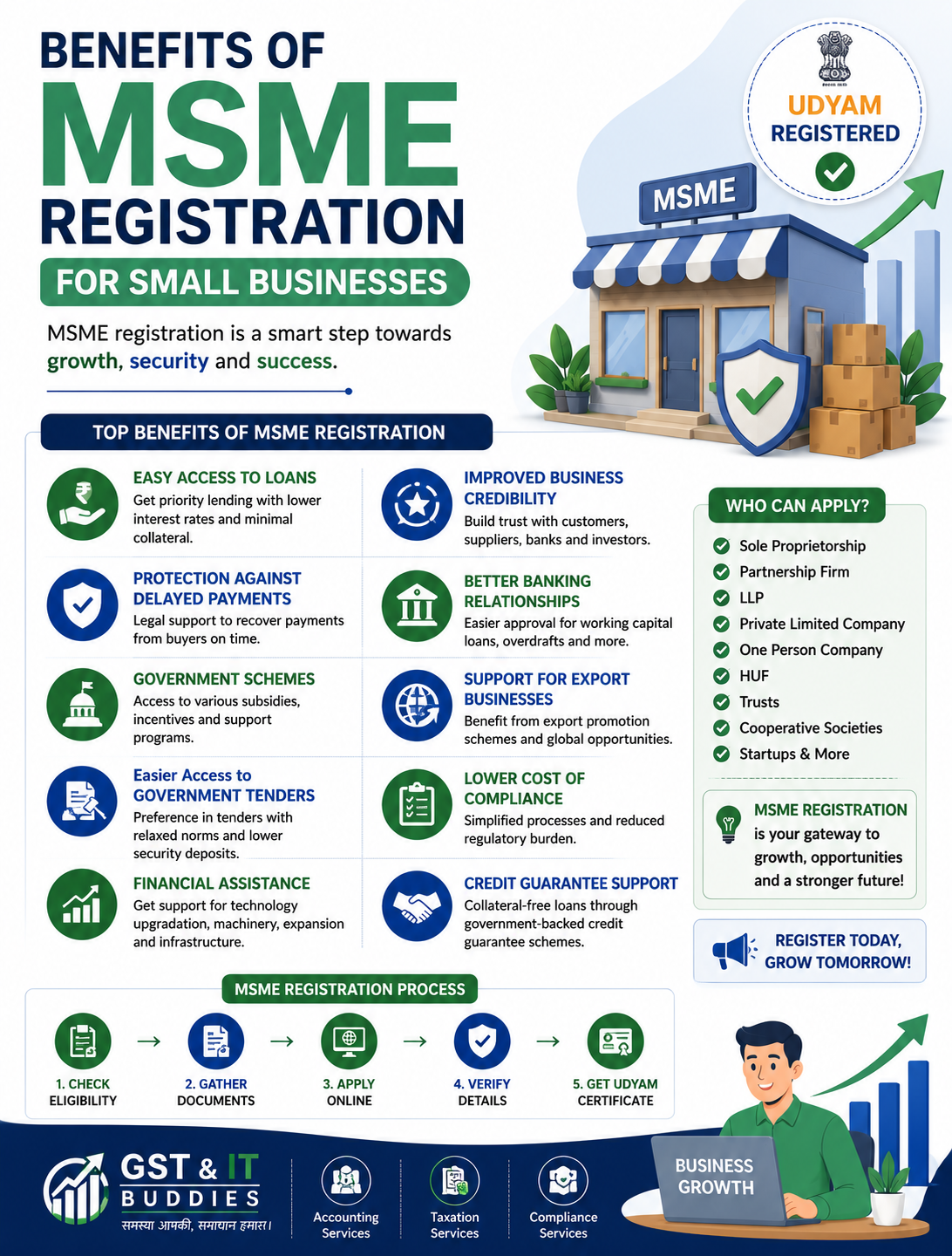
benefits-of-msme-registration-for-small-businesses

  • 2028-07-28
  • suneel
Benefits of MSME Registration for Small Businesses Running a small business presents numerous challenges, including securing access to finance, obtaining government approvals, and competing in the market. One of the smartest steps entrepreneurs can take is obtaining MSME registration. Under the Micro, Small, and Medium Enterprises Development (MSMED) Act, eligible businesses can register as an MSME to gain access to numerous financial and operational benefits. In this guide, we'll explain the benefits of MSME registration, eligibility criteria, the registration process, and why every small business should consider registering.

GST Composition Scheme 2026: Eligibility, Turnover Limits & Registration Guide

  • 2026-07-29
  • suneel
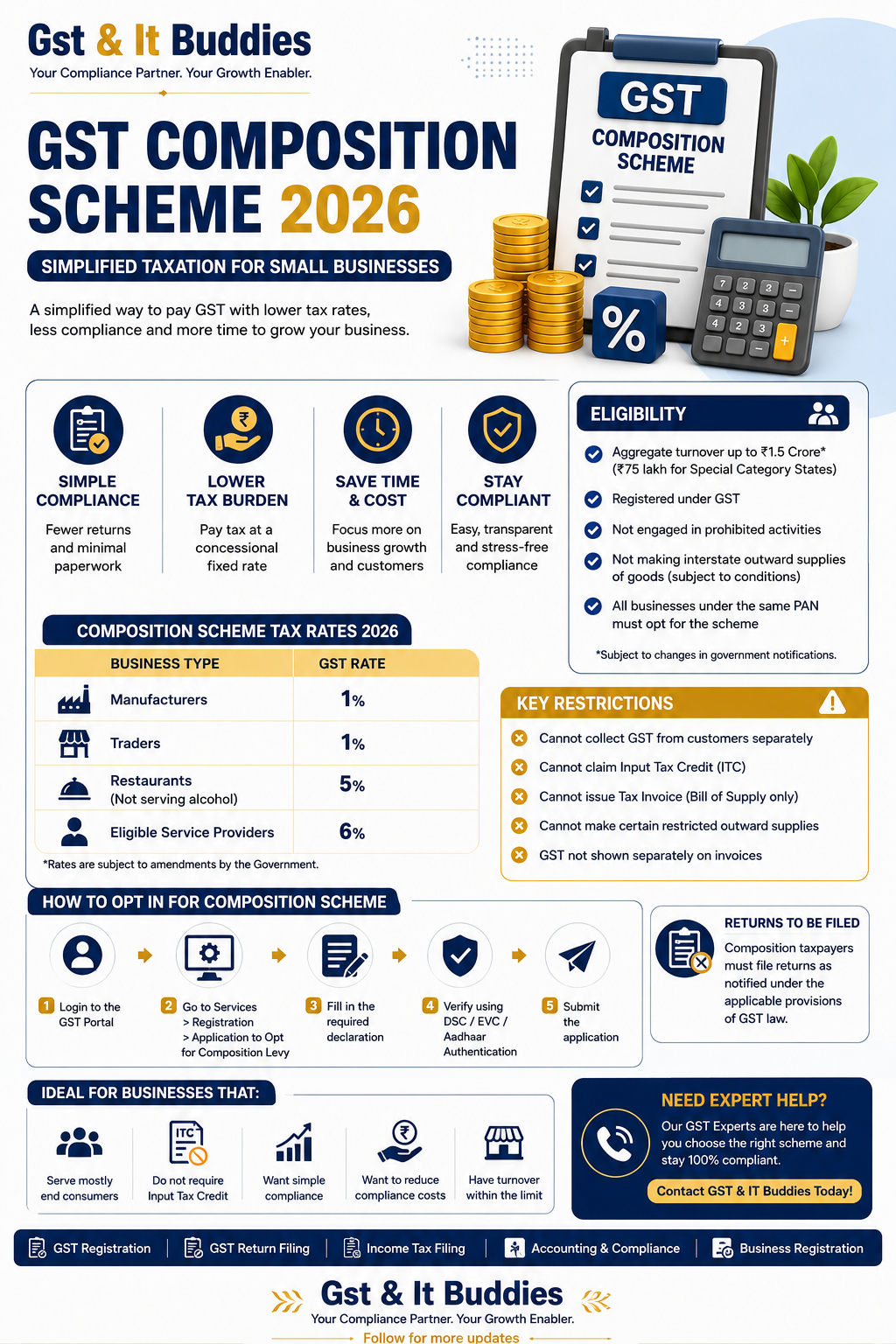
The GST Composition Scheme 2026 is designed to reduce the compliance burden for small businesses in India. Instead of filing multiple GST returns and maintaining extensive records, eligible taxpayers can pay tax at a fixed percentage of their turnover, thereby enjoying a simplified compliance process. If you're a small business owner, retailer, trader, manufacturer, or restaurant owner, understanding the Composition Scheme can help you save time, reduce paperwork, and focus on business growth. In this guide, we'll explain everything you need to know about the GST Composition Scheme in 2026.

Can a business with no profit still be required to file a corporate tax return?

  • 2026-07-30
  • suneel
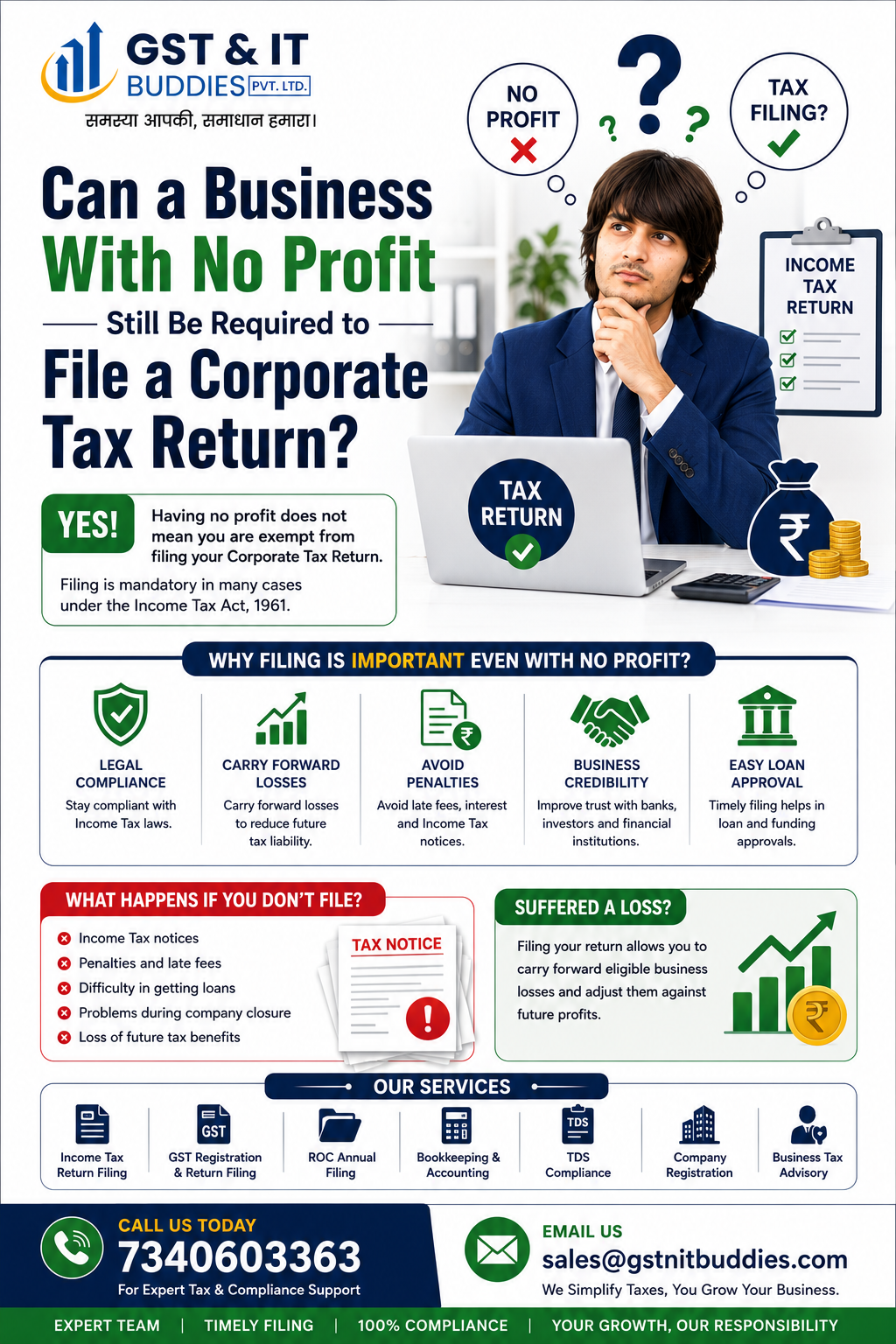
Many business owners believe that if their company has no profit, they don't need to file a corporate tax return. However, this is one of the most common misconceptions among startups and business owners. In India, having no profit does not always mean you are exempt from filing your company's Income Tax Return (ITR). Depending on your business structure and legal requirements, filing may still be mandatory. This guide explains when businesses with no profit must file tax returns, why it matters, and the consequences of not filing.